.png)
Lessons from the Wateroam Seminar on clean water access
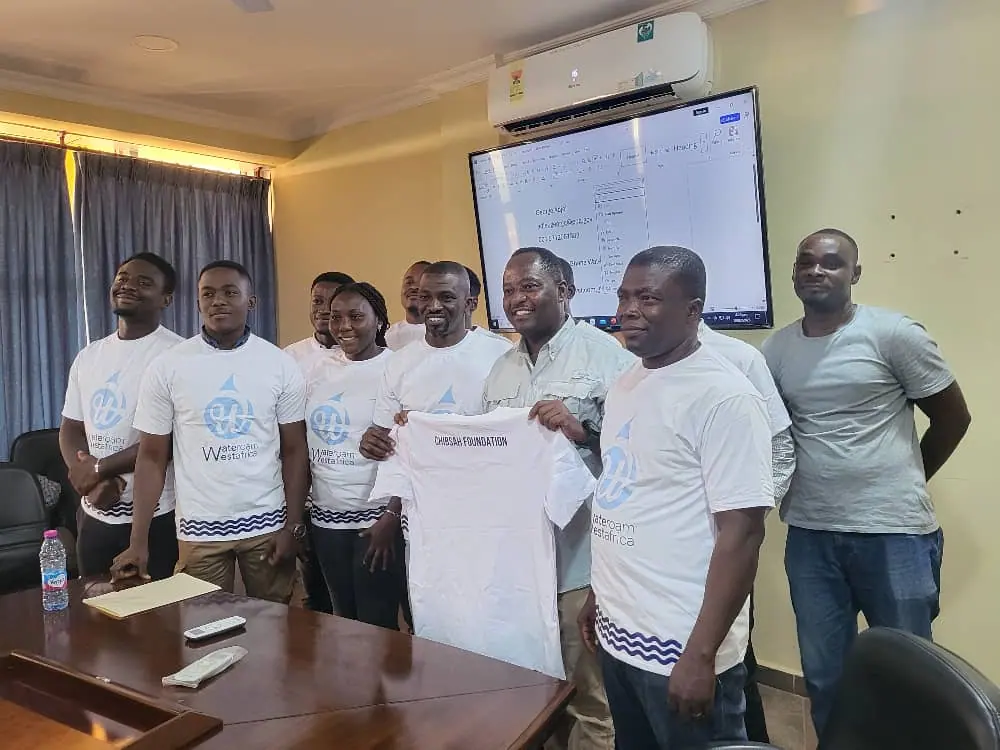
Placeholder story. Replace this copy in
content/posts/wateroam-seminar.html (and the meta in
site.config.json → posts) before you
publish, then remove "placeholder": true.
The Wateroam Seminar brought together community organisers, engineers and residents to talk about something that rarely gets a stage: how clean water actually reaches a household, and what keeps it flowing once the ribbon is cut.
We host sessions like these because a borehole is never only a piece of plumbing. It is a schedule, a maintenance fund, a person who knows how to report a fault, and a community that has agreed the water point belongs to everyone.
What we heard
Communities were candid about the gap between installation and upkeep, and about how quickly a working pump can stop being one. Engineers, in turn, talked about designing for the people who will service the asset years later rather than for the launch day.
The clearest point in the room was also the simplest: a water project is finished when nobody has to think about it any more — when turning the tap is simply expected to work.
Those conversations now shape how we scope water and sanitation work: budget for maintenance from day one, agree the caretaker before the first hole is dug, and return to measure long after the photographs have been taken.
More stories
 Placeholder
Inside Feed The Street: showing up for people on the streets
A walk through one outreach day of our feeding programme in Accra and Kumasi — what it takes to serve a hot meal, and why it matters.
Read story Placeholder
Why the Elite Schools League exists
School sport as a way to keep young people active, connected and in class — the thinking behind our schools league.
Read story